
Control Cables & Actuation Systems for Light Vehicle Platforms
Cablecraft engineers mechanical motion-control systems for light vehicle and light-duty automotive platforms. We help OEM and Tier teams create compact, reliable cable and actuation solutions that integrate cleanly into the vehicle.
- OEM & Tier program support
- IATF 16949:2016 for applicable scope
- Custom cable & actuation engineering
- Prototype & lifecycle support

What Does Cablecraft Supply to Light Vehicle Manufacturers?
Cablecraft supplies engineered control cables, restraint assemblies, miniature cables and remote actuation systems for automotive and light-duty vehicle programs.
Selected component-level requirements can also be reviewed when they support the larger vehicle program. Rigid rod-end, spherical-bearing and linkage needs are supported through sister company Radial Bearing.
- Push-pull & pull-pull control cables
- Safety & restraint cable assemblies
- Cycle-Flex™ miniature cables
- Remote actuation systems
- Conduit & innermember solutions
- Selected component & system support
Motion Control Solutions for Light Vehicle Applications
Different vehicle functions require different control architectures. Cablecraft helps match the cable, restraint or actuation approach to the way the system must perform.
Push-Pull & Pull-Pull Control Cables
Flexible cable systems transmit mechanical motion through compact vehicle packaging where a direct rigid linkage may not be practical.
- Remote vehicle functions
- Bidirectional or tension-based motion
- Application-specific travel and fittings
Safety & Restraint Cable Assemblies
Flexible steel cable assemblies provide a secondary mechanical connection when a vehicle component must be retained or limited in movement.
- Tailgate and hood restraint
- Load and spare-tire retention
- Custom fitting configurations
Cycle-Flex™ Miniature Cables
Miniature cable constructions support compact mechanisms where packaging space, flexibility and repeated movement are central to the design.
- Compact mechanical releases
- High-cycle movement
- Coated and uncoated configurations
Remote Actuation Systems
Cable-based actuation connects an operator interface to a remote mechanism without requiring the control to sit directly at the point of action.
- Seat and latch release
- Locking gas-spring actuation
- Application-specific interfaces
Conduit & Innermember Solutions
Cable performance depends on more than the end fittings. Conduit and innermember selection help define routing behavior, efficiency and service life.
- Routing and bend performance
- Environmental protection options
- Application-specific cable construction
Component & System Support
Selected mechanical or electromechanical component requirements can be reviewed when they complement a broader Cablecraft vehicle program.
- Application-level integration review
- Component sourcing evaluation
- Program-specific feasibility review
Where Light Vehicle Motion Controls Fit
Cablecraft products support vehicle functions where motion, release or restraint must be transferred reliably through compact packaging.
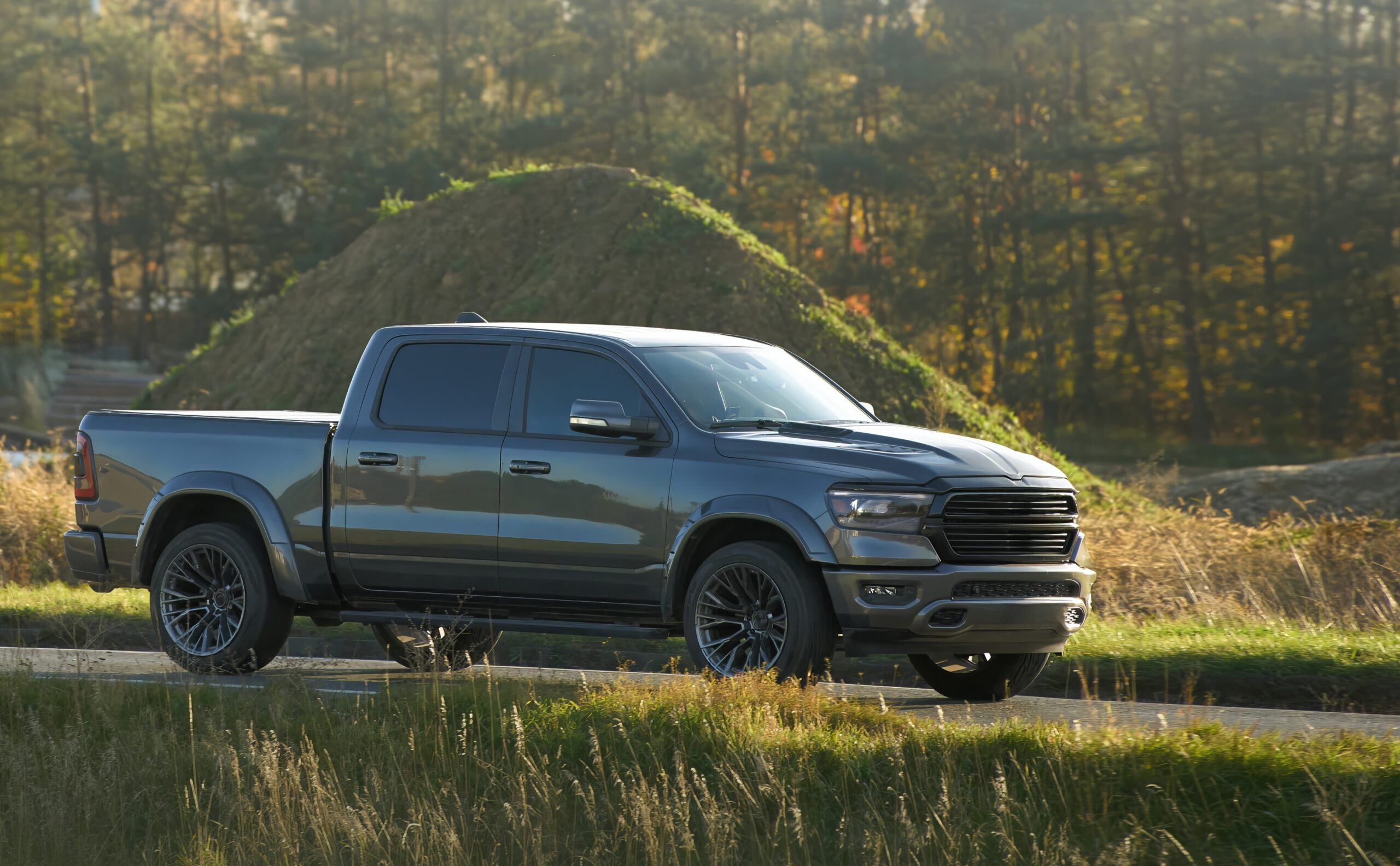
Seating & Occupant Systems
Remote release and adjustment functions where compact routing and repeatable mechanical response matter.
Access & Closure Systems
Mechanical release and latch functions for doors, lids, trunks and convertible structures.
Body, Cargo & Restraint
Flexible retention solutions for tailgates, hoods, cargo systems and service-access components.
Vehicle Control & Interface
Cable-based shifting, adjustment and component-level controls that connect user input to a remote vehicle function.
Choose the Motion Architecture Around the Vehicle Function
The right solution starts with how the mechanism must move and how the control must fit into the vehicle. Use this as an early architecture guide before final engineering review.
| Solution | Best Fit | Typical Light Vehicle Uses | Engineering Focus |
|---|---|---|---|
| Pull-Only / Pull-Pull Cable | Tension-based motion with a separate return method. | Seat, latch, parking-brake and emergency-release functions. | Load, travel, return behavior and routing. |
| Push-Pull Cable | Bidirectional linear motion through a flexible route. | Shifting, adjustment and other remote controls. | Push/pull load, bend geometry and efficiency. |
| Safety / Restraint Cable | Retention or movement limitation rather than continuous control. | Tailgates, hoods, spare-tire systems and service access. | Working load, fitting interface and environment. |
| Cycle-Flex™ Miniature Cable | Compact or high-cycle mechanical movement. | Small releases, tethers and space-constrained mechanisms. | Diameter, flexibility, duty and fitting strength. |
| Remote Actuation System | A cable paired with a handle, lever, button or release device. | Door, seat, latch and gas-spring functions. | Input/output interface, packaging and operator feel. |
| Conduit & Innermember | Cable construction optimized around the installed routing. | Applications where packaging and environment drive cable behavior. | Routing, friction, protection and lifecycle. |
From Vehicle Requirement to Production
Cablecraft works with engineering, sourcing and quality teams to define the function, select the architecture and support the program through launch.
Define the Vehicle Function
Clarify what must move, how the user interacts with it and what the installed system must accomplish.
Engineer the Architecture
Select the cable construction, interfaces and related actuation elements around the installed vehicle.
Prototype & Validate
Confirm fit and function, then evaluate testing appropriate to the product and program.
Launch & Support
Coordinate manufacturing, quality planning and ongoing program support as the design moves into production.
What Helps Start an Effective Light Vehicle RFQ?
A complete application picture helps Cablecraft evaluate the control architecture more efficiently without turning the RFQ into a long specification checklist.
Quality Systems Supporting Light Vehicle Programs
Light vehicle programs depend on repeatable performance and disciplined manufacturing. Cablecraft supports applicable programs with documented quality systems and application engineering.
The Bolivar, Ohio quality management system is certified to IATF 16949:2016 and ISO 9001:2015 for its applicable certified scope.
View certification documents and facility scope →Automotive quality-management requirements supporting applicable Cablecraft programs.
Documented systems supporting process control and continual improvement.
The motion-control system is reviewed in the context of the installed vehicle.
Defined process controls support repeatable production and program continuity.
Certification and quality-system applicability varies by Cablecraft facility, process, product and program scope. Confirm the specific requirements of your light vehicle program.
Need Rod Ends, Spherical Bearings or Engineered Linkage Assemblies?
Radial Bearing, part of the Cablecraft family, supports applications that require rigid articulation or direct mechanical linkage rather than a flexible control cable.
Light Vehicle Engineering & Sourcing Resources
Use Cablecraft technical resources to understand cable behavior, compare available product families and prepare a vehicle application for review.
Engineering Design Guides
Review practical guidance for selecting and integrating mechanical control cables.
Browse engineering resources →Product Catalogs & Literature
Browse control cable, restraint, actuation and related technical product literature.
Browse product documents →Certifications & Facility Scope
Review current quality certification documents and applicable manufacturing scope.
View certification documents →Application & Fulfillment Review
Cablecraft can review the requirement and determine the appropriate direct or approved-network path.
Learn how Cablecraft routes requirements →Light Vehicle Control Cable & Actuation FAQs
Direct answers to common questions from automotive engineering and sourcing teams.
What products does Cablecraft supply for light vehicle applications?
Cablecraft supplies mechanical control cables, restraint assemblies, miniature cables and remote actuation products for automotive and light-duty vehicle programs. Selected component-level requirements can also be reviewed where appropriate.
What is the difference between a push-pull and pull-pull control cable?
A push-pull cable transfers motion in both directions. A pull-only or pull-pull system works primarily in tension and uses a separate method to provide return motion.
Where are safety and restraint cables used in light vehicles?
Restraint cables are used when a body, cargo or service-access component needs a flexible secondary connection for retention or movement limitation.
Can Cablecraft build a custom automotive control cable?
Yes. Cablecraft can configure the cable architecture and interfaces around the installed vehicle requirement. Drawings, models, photographs or samples help accelerate the engineering review.
What light vehicle functions can use remote cable actuation?
Remote actuation can support seat, latch, closure and gas-spring functions when the operator interface and controlled mechanism are separated within the vehicle.
Does Cablecraft support prototypes and testing?
Yes. Prototypes can help confirm fit, interfaces and function before production. Additional testing can be evaluated when the product or vehicle program requires it.
What quality certifications support Cablecraft automotive programs?
The Cablecraft Bolivar, Ohio quality management system is certified to IATF 16949:2016 and ISO 9001:2015 for its applicable certified scope. Applicability should be confirmed for the specific product, facility and program.
Can Cablecraft review component-level or electromechanical vehicle requirements?
Cablecraft can evaluate selected component-level requirements when they fit the broader program and current manufacturing scope. The available capability should be confirmed for the specific application.
What should be included in a light vehicle control cable RFQ?
Start with the vehicle function, required motion, expected load and installation constraints. Program timing and any available drawings, models, photographs or samples are also useful.
Start a Light Vehicle Motion Control Project
Share the vehicle function, installation constraints and program context. Cablecraft can help identify the appropriate cable, restraint or actuation approach and route adjacent linkage needs to the right business.