
Control Cables & Actuation Systems for Construction and Agricultural Equipment
Cablecraft engineers control cables and actuation systems for equipment that works in demanding off-highway environments. We design around the installed machine so operator feel, routing, durability and manufacturability work together as one production-ready motion-control system.
- Rugged mechanical motion control
- Application engineering & prototypes
- Operator & remote actuation
- OEM & lifecycle program support
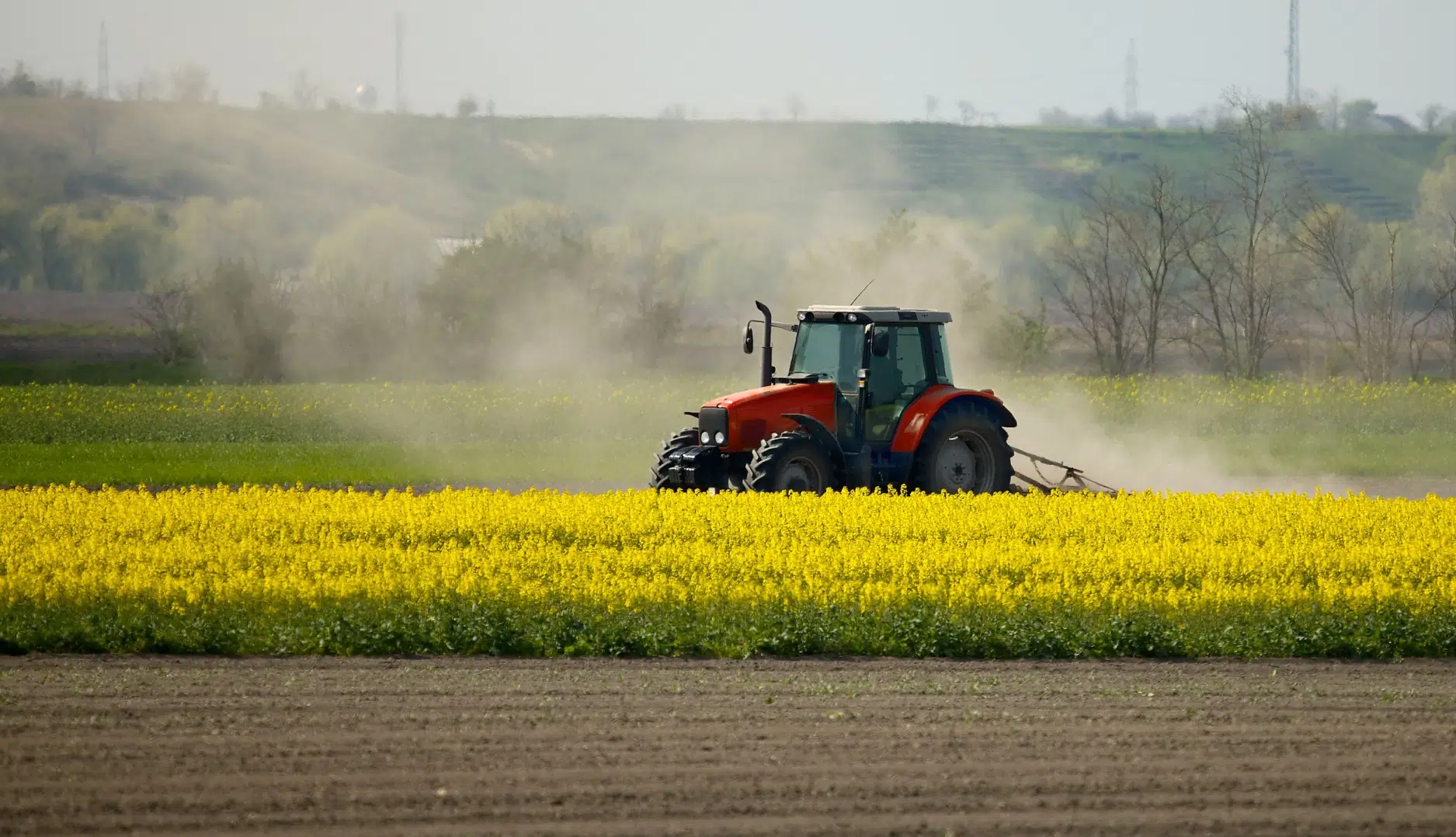
What Does Cablecraft Supply for Construction and Agricultural Equipment?
Cablecraft supplies motion-control products for tractors, construction machinery and other off-highway equipment. The portfolio covers cable-based motion, operator input, remote actuation, restraint and selected component solutions.
Our engineers help match the architecture to the machine and duty cycle rather than treating every application as a standard cable selection.
- Sliding control cables
- Pull-only & pull-pull cables
- Hand & foot controls
- Remote actuation systems
- Safety & restraint cables
- Selected component support
Motion Control Solutions for Construction and Agricultural Equipment
Cablecraft offers several control architectures so OEMs can match the motion system to the machine, installation and expected operating duty.
Push-Pull & Pull-Only Control Cables
Flexible mechanical controls route motion through complex equipment where a direct rigid linkage would be difficult to package or service.
- Powertrain and equipment controls
- Configurable travel and routing
- Application-specific end fittings
Hand & Foot Controls
Mechanical input devices pair with Cablecraft control cables to create intuitive operator interfaces for vehicle and implement functions.
- Hand-operated control systems
- Pedal-based mechanical input
- Integrated cable interfaces
Remote Actuation Systems
Cable-based actuation lets a mechanism be operated from a safer or more convenient location while preserving a direct mechanical connection.
- Access and release functions
- Remote valve operation
- Equipment positioning controls
Safety & Restraint Cables
Static cable assemblies provide a dependable secondary connection where equipment components must be retained or their movement limited.
- Hose and component restraint
- Panel and service lanyards
- Configurable cable constructions
Cycle-Flex™ Miniature Cables
Small-diameter cable constructions support compact mechanisms and repeated motion where packaging space is limited.
- Compact release mechanisms
- Repeated-motion applications
- Coated or uncoated configurations
Component & System Solutions
For suitable OEM programs, Cablecraft can evaluate selected mechanical or electromechanical component needs that complement a larger control system.
- Application-specific components
- Prototype and system integration
- Technical sourcing support
Construction & Agriculture Motion Control Applications
Cablecraft supports off-highway equipment that needs dependable motion transfer, remote operation or a flexible connection between the operator and the controlled function.

Powertrain & Driveline
Cable-based controls support engine, transmission and PTO functions where routed mechanical input remains practical and serviceable.
Implements & Work Functions
Remote motion-control systems can operate work functions and attachments from the operator station or another protected control point.
Operator & Cab Controls
Hand, foot and remote controls translate operator input into reliable mechanical movement across cab and vehicle functions.
Safety, Access & Service
Restraint and release products support equipment access, protective retention and service-related functions around the machine.
Choose the Right Off-Highway Motion Control Architecture
The right architecture depends on how the machine must move, how the control is installed and what the equipment is expected to endure in service.
| Solution | Best Fit | Common Applications | Key Engineering Inputs |
|---|---|---|---|
| Push-Pull Cable | Bidirectional motion through a flexible routed path. | Powertrain, PTO, valve and implement control. | Required force, travel and installed routing. |
| Pull-Only / Pull-Pull Cable | Tension-based motion with a return mechanism. | Brake, clutch, throttle and release functions. | Pull load, return strategy and travel. |
| Hand / Foot Control | Direct mechanical input from the operator. | Vehicle and implement functions that need a dedicated human interface. | Operator effort, ergonomics and installation. |
| Remote Actuation | A mechanism must be operated from another location. | Access, release, valve and attachment functions. | Input-output relationship, packaging and service access. |
| Safety / Restraint | A component must be retained or its travel limited. | Hoses, panels and other equipment restraint points. | Working load, environment and attachment strategy. |
| Component / System Support | The application extends beyond a cable-only solution. | Selected OEM systems combining mechanical and electromechanical elements. | System interfaces, operating environment and program scope. |
From Machine Requirements to Production
Cablecraft works with OEM teams to define the motion problem, develop the control architecture and move an approved design into repeatable production.
Define the Machine Requirement
Understand the motion problem, operating duty and installed environment.
Engineer the Architecture
Select the control approach and configure it around the machine.
Prototype & Validate
Confirm interfaces and evaluate the performance requirements appropriate to the program.
Launch & Support
Move the approved design into controlled production and support it through its lifecycle.
Information That Helps Start a Construction or Agriculture RFQ
You do not need every detail solved before contacting Cablecraft. A clear description of the machine, the motion problem and the program need is enough to begin a productive review.
Engineering and Manufacturing Built Around Repeatability
Cablecraft supports construction and agriculture programs through documented quality systems and controlled manufacturing. Engineering review carries the approved design into repeatable production.
ISO 9001:2015 is listed for applicable Cablecraft facilities. Confirm certification scope for the specific product and program.
View certifications and facility scope →Documented quality systems supporting applicable Cablecraft facilities and program scope.
System requirements are reviewed around the installed machine and intended duty.
Prototype and validation activity can be planned around the product and program need.
Inspection, process control and documentation support consistent production.
Certification, testing and compliance applicability varies by Cablecraft facility, process, product and program scope. Confirm requirements for the specific application with Cablecraft.
Need Rod Ends, Spherical Bearings or Engineered Linkage Assemblies?
Radial Bearing, part of the Cablecraft family, supports rigid articulation and linkage requirements that fall outside a flexible cable-based motion system.
Construction & Agriculture Engineering Resources
Use Cablecraft technical resources to compare product architectures, prepare an application review and move directly to the product information most relevant to the machine.
Engineering Design Guides
Review technical guidance for cable selection and installed-system design.
Browse engineering resources →Sliding Control Cables
Explore routed push-pull and tension-based cable architectures for mechanical motion.
Explore sliding control cables →Actuation & Operator Controls
Review operator interfaces and remote actuation solutions for equipment control.
Explore actuation products →Assembler & Distributor Support
Start with Cablecraft and let our team determine the appropriate fulfillment path for selected replacement or service requirements.
Review assembler & distributor support →Construction & Agriculture Control Cable FAQs
Direct answers for equipment engineers, sourcing teams and OEM program managers.
What products does Cablecraft supply for construction and agricultural equipment?
Cablecraft supplies cable-based motion controls, operator controls, remote actuation, restraint products and selected component solutions for construction, agriculture and other off-highway equipment.
What is the difference between push-pull and pull-only control cables?
A push-pull cable transfers motion in both tension and compression. A pull-only or pull-pull system works in tension and relies on an opposing force or return mechanism for the opposite direction of movement.
Where are control cables used on construction and agricultural equipment?
Control cables are used anywhere the machine needs a flexible mechanical connection between an input and a controlled function. Common examples include powertrain, implement, operator and access-control systems.
Can Cablecraft design cables for dirty or harsh off-highway environments?
Yes. Cablecraft can evaluate cable construction and protection around the installed environment. Material choice, sealing, routing and service conditions are reviewed as part of the application rather than treated as a generic outdoor rating.
Does Cablecraft supply hand and foot controls for agricultural equipment?
Yes. Cablecraft supports mechanical operator controls that can be integrated with a cable system. The final configuration is selected around the required operator input and the installed machine geometry.
How are safety and restraint cables used on heavy equipment?
Restraint cables provide a secondary mechanical connection that can tether a component or limit its movement. The cable construction and attachment strategy depend on the load and the equipment environment.
Can Cablecraft support mechanical or electromechanical component needs?
Cablecraft can evaluate selected mechanical or electromechanical component requirements when they are part of an appropriate OEM control-system program. Scope is confirmed during the application review.
Can Cablecraft help transfer or reshore an existing control assembly?
Cablecraft can evaluate an existing program when a different manufacturing or sourcing strategy is needed. The review begins with the available product information and the requirements that must be preserved through the transition.
What quality certifications support Cablecraft construction and agriculture programs?
Cablecraft lists ISO 9001:2015 quality management certification for applicable facilities. Certification applicability depends on the product, process, facility and program scope and should be confirmed for the specific requirement.
What should be included in a construction or agriculture control cable RFQ?
Start with the motion problem and the installed machine. Useful information includes the required force and travel, available routing, operating environment, expected duty and program timing. Drawings or samples help when they are available.
Start a Construction or Agriculture Motion Control Project
Tell Cablecraft how the machine needs to move and where the control must operate. Our team can help evaluate the appropriate cable, operator-control or remote-actuation approach and identify the next step for engineering review.